
Exposure, focus, frame rate
Manual Camera Control
Use apps or native controls that let you lock focus and exposure. That alone makes your footage more stable and keeps the image from visibly hunting during a take.
Production Toolkit
A modern guide to using a phone as a serious filmmaking tool, from capture and audio to editing and story planning.
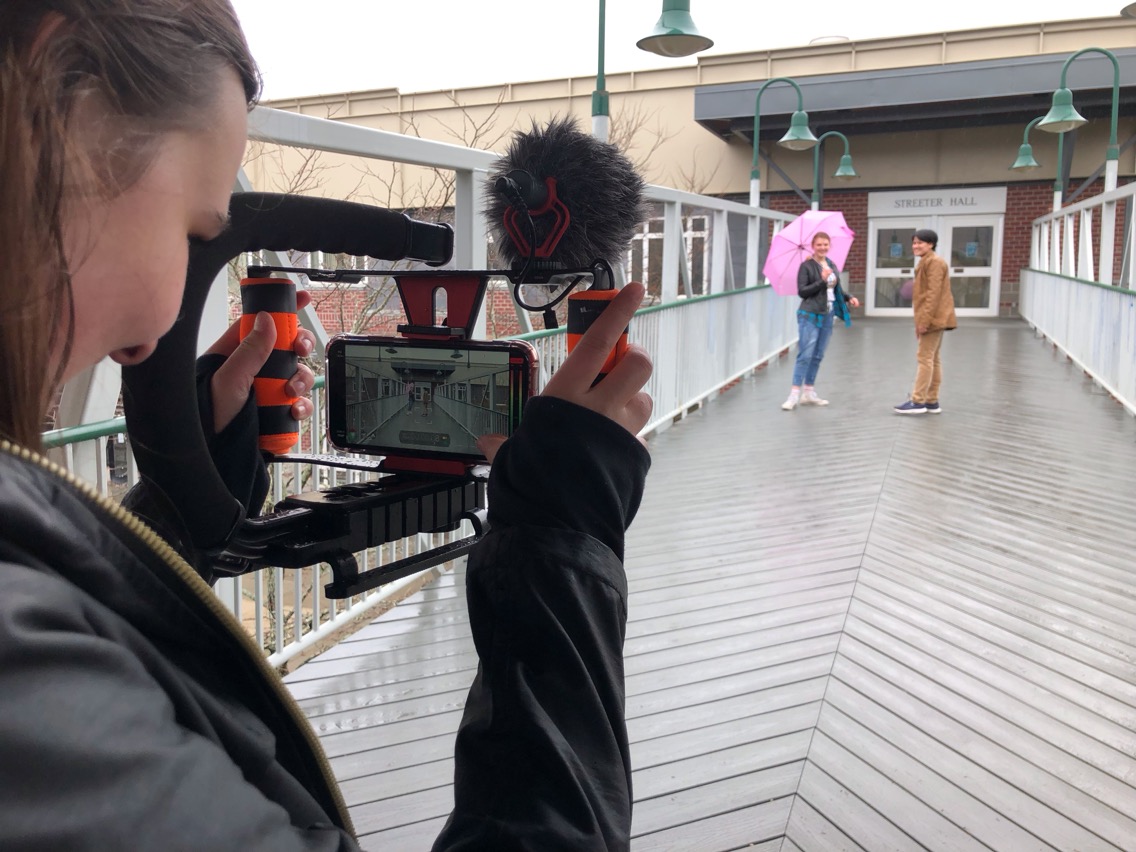
You do not need a large camera package to make strong work. A phone can carry a short film, documentary scene, or proof-of-concept if you plan the visuals, protect the audio, and shoot with intention.
What matters is not pretending a phone is a cinema camera. What matters is understanding its strengths, compensating for its weaknesses, and making clean decisions from pre-production through edit.
Reference List
Exposure, focus, frame rate
Use apps or native controls that let you lock focus and exposure. That alone makes your footage more stable and keeps the image from visibly hunting during a take.
Lavalier mics and recorders
Weak audio is the fastest way to make a scene feel amateur. Even a simple clip-on mic or compact recorder can lift interviews, dialogue, and voiceover dramatically.

Tripods, grips, movement
If a shot moves, there should be a reason. A small tripod, clamp, or stabilizer helps your camera behavior feel designed rather than accidental.
Storyboard your high-value shots first. Phones are excellent for speed, but they tempt people into overshooting without a plan.
Prioritize clean light. Natural window light, open shade, and practical fixtures usually give you more production value than a pile of low-cost accessories.
Edit aggressively. Tight pacing, clear scene goals, and deliberate sound design matter more than resolution specs.
Keep Reading

Film
The best film schools in the US, from USC and NYU Tisch to AFI and UCLA: what makes each program distinctive and how to choose the right one.
Dance
A sharper guide to dance film festivals and screen-based opportunities for teen dancers and choreographers.